



Cardiopulmonary Physical Therapy Laboratory (LACAP)
Coordinators: Audrey Borghi-Silva, Ph.D., Renata Gonçalves Mendes, Ph.D., and Adriana Sanches Garcia de Araújo, Ph.D.
Research Line in PPGFt: Cardiorespiratory Physiotherapy and Exercise Physiology
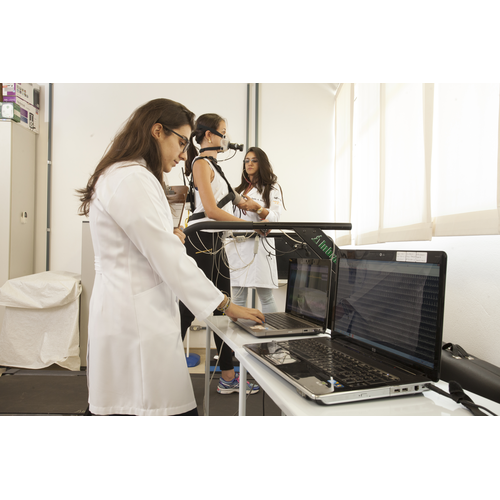
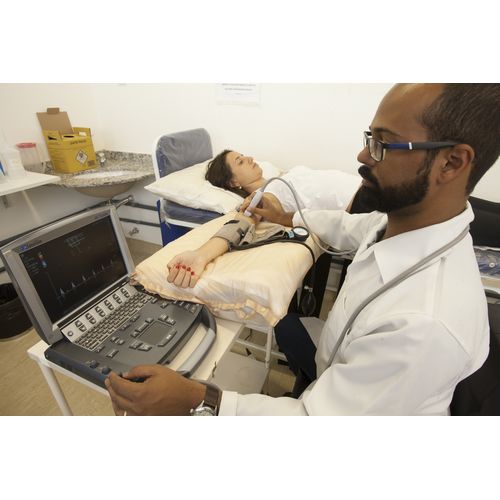
This laboratory conducts research involving assessment and intervention in outpatient and hospital-based cardiopulmonary physiotherapy, including patients with cardiovascular, respiratory, metabolic diseases, and critically ill patients. It also includes the investigation of physiological adjustments and adaptations to different stressors, physical exercise, and adjunctive resources, as well as the analysis of biological signals, particularly hemodynamic, respiratory, autonomic, and metabolic variables, and functional performance.
Some of the main ongoing research projects include:
- Effects of ventilatory muscle training on hemodynamics, inflammatory profile, and markers of muscle atrophy and hypertrophy in rats with diabetes mellitus (CNPq);
- Follow-up study of limiting factors to physical exercise and the effects of adjunctive resources in rehabilitation in chronic cardiorespiratory diseases – a multicenter approach (FAPESP Thematic Project);
- Impact of early mobilization in patients with sepsis: influence of passive and active exercise on endothelial function, cardiac autonomic function, and inflammatory profile.
Collaborations with national and international institutions include: Ross Arena and Shane Phillips, University of Illinois at Chicago (UIC), USA; William Sheel, University of British Columbia (UBC), Canada; Jorge Henriques, University of Coimbra, Portugal; Jonathan Myers, Virginia Commonwealth University (VCU), USA; Piergiuseppe Agostoni, University of Milan, Italy; John Hurst, University College London, United Kingdom; Emmanuel Ciolac, UNESP (Bauru), Brazil; Michel Silva Reis, UFRJ, Brazil.
Within PPGFt/UFSCar, this laboratory supports faculty members in the cardiorespiratory, musculoskeletal, and neurofunctional areas.
Infrastructure:
The laboratory is located in the Department of Physical Therapy (DFisio) and occupies approximately 75 m². It includes a workspace for data analysis and scientific writing for undergraduate and graduate students, as well as postdoctoral researchers. Two additional rooms house equipment such as ergometers (Corival Lode Recumbent cycle ergometer, Inbramed cycle ergometer, Inbramed Master ATL/ATS treadmill), mechanical ventilator (ResMed Astral 150), heart rate monitors, metabolic carts (Oxycon Mobile), pulse contour analysis system (Finometer Pro), human and animal signal acquisition systems (PowerLab 8/35, Bio Amp FE132 – ADInstruments), near-infrared spectroscopy devices (2 NIRS, Oxymon), long-term ECG (Holter), inductance plethysmography (LifeShirt), manovacuometers, spirometers, ultrasound (M-Turbo Sonosite), SphygmoCor system (ATCor – arterial stiffness), bioimpedance (PhysioFlow), lactate and glucose analyzer (YSI 2300), body composition scale (InBody), whole-body electrical stimulators (Myha Bodytec), and full pulmonary function plethysmography system (MasterScreen Jaeger).
A room for cleaning and disinfection of equipment and materials is shared with NUPEF.
Funding:
The laboratory infrastructure has been largely funded by research agencies (FAPESP and CNPq), supporting the development of studies in collaboration with national and international partners.
Extension Activities:
The social impact of the research conducted can be observed through follow-up of populations with COPD, heart failure, and COVID-19 in the city of São Carlos, in partnership with HU-UFSCar and the Municipal Health Department of São Carlos.
Additionally, this research group is a pioneer in Brazil in studying the impact of non-invasive mechanical ventilation and the effects of ergogenic supplementation with L-carnitine as an adjunct to rehabilitation in patients with chronic cardiorespiratory diseases. More recently, the group has investigated the effects of other adjunct therapies, such as laser therapy, LED use, and whole-body electrical stimulation, as potential enhancers of performance and functionality in chronic cardiorespiratory diseases.
Instagram:@lacapufscar
Facebook: lacapufscar
Contact for scheduling use: (16) 3351-8705
Calendar: https://calendar.google.com/calendar/u/0?cid=b3h5Y29uLnVmc2NhckBnbWFpbC5jb20